Dwight fembley community garden produces exactly one zucchini
June 2, 2026
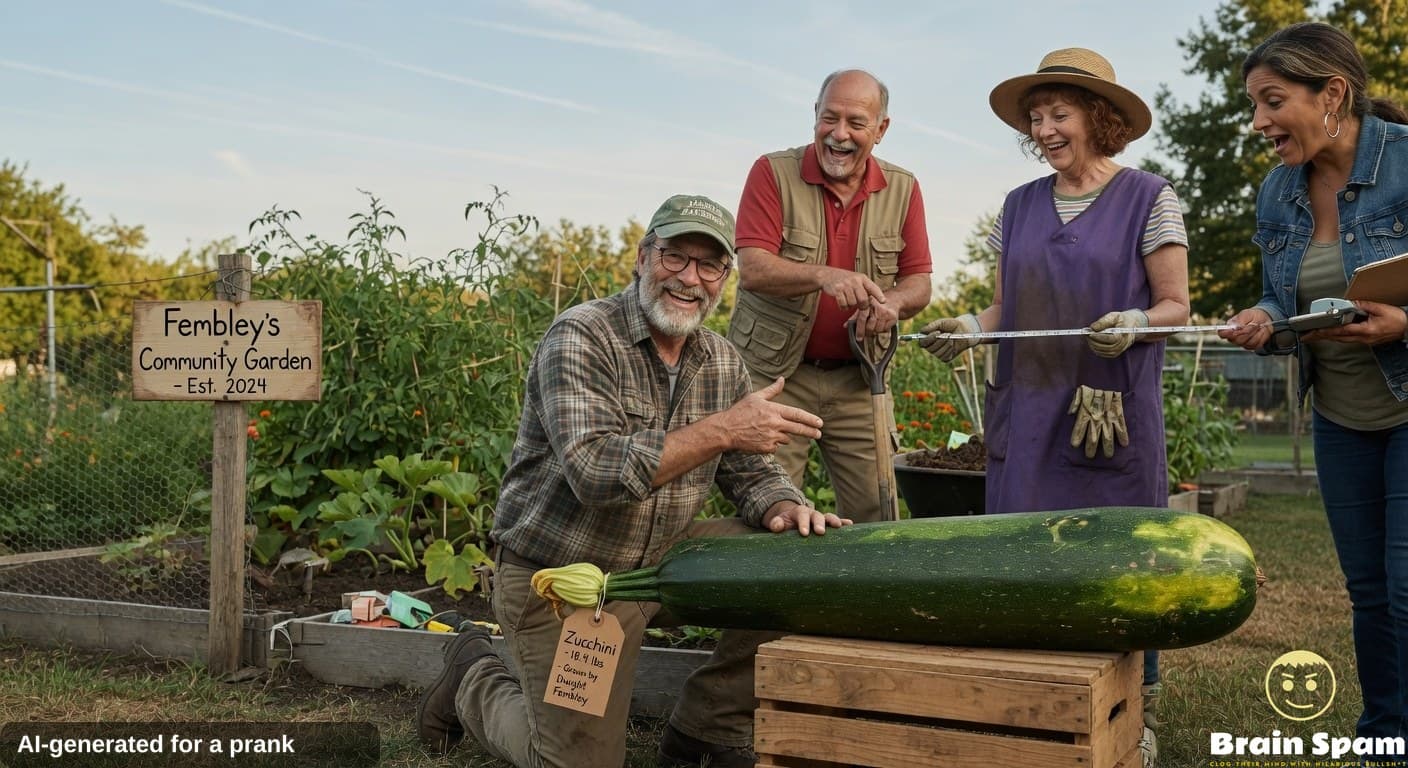
On June 2, 2026, in the Greenvale neighborhood community garden, Dwight Fembley reported that the project he started has produced exactly one enormous zucchini after months of preparation and care by participants who focused on soil testing, regular watering, and careful planting schedules to support local vegetable growth in the area.
Garden Development
The initiative began with the selection of a suitable plot of land that was cleared and enriched with organic materials to create an environment conducive to healthy plant development, and participants worked together to establish rows for various crops while monitoring weather conditions and adjusting irrigation systems accordingly to ensure consistent moisture levels throughout the growing season in this suburban setting.
Participants dedicated time each week to weeding and pest management using natural methods that avoided chemical interventions, allowing the garden to progress through different stages of growth where multiple seeds were sown yet only one zucchini reached full maturity, highlighting the variables involved in outdoor cultivation such as sunlight exposure and nutrient absorption rates observed over the period.
Harvest Results
The single zucchini measured approximately two feet in length and weighed several pounds according to measurements taken at the site, and it was noted for its uniform green color and firm texture that developed under the consistent care provided by those tending the garden beds on a daily basis during the spring months leading up to the current date.
Community members observed the progress of the garden through regular visits and shared updates on the status of the plants, contributing to an atmosphere of anticipation as the vegetables matured, though the outcome remained limited to this one item despite the collective efforts invested in expanding the variety of produce intended for the space.
Ongoing Participation
Further activities in the garden continue with plans to introduce additional crops in the coming weeks, and the experience with the zucchini has prompted discussions among those involved about best practices for future seasons, including adjustments to planting techniques and the incorporation of more diverse soil amendments to potentially increase yields in subsequent efforts at the location.
Related Searches
🎉Gotcha!
This satirical story was created by a BrainSpam user using the BrainSpam platform — a tool for generating fictional and humorous stories for entertainment.
Create your own at BrainSpam.com
Disclaimer: This article was created by a user of BrainSpam and is intended solely for satire, parody, and entertainment purposes.
BrainSpam is a platform that allows users to create fictional, humorous, or exaggerated stories about real or imaginary people and events.
The content above is not factual reporting and should not be interpreted as statements of fact. It reflects the creative expression of the individual user who created it, not the views of BrainSpam or its operators.
Real persons may be referenced as part of parody or commentary. Any resemblance to actual events or individuals is used in a satirical or fictional context.
BrainSpam does not verify or endorse user-generated content published on this platform.
More from DailyPlanet.net
Lifestyle
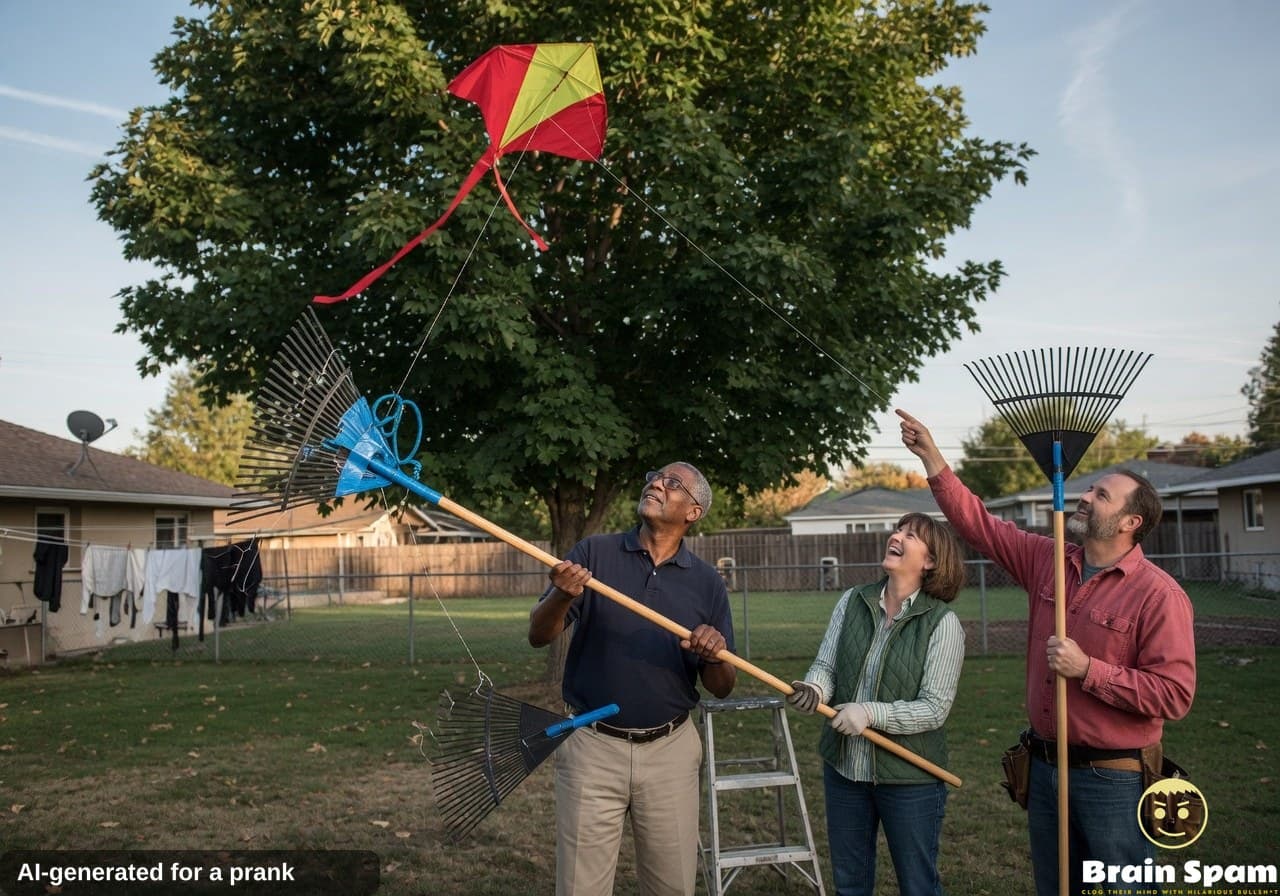
Roscoe Tibbs Sparks Neighborhood Delight With Clever Kite Rescue
Lifestyle
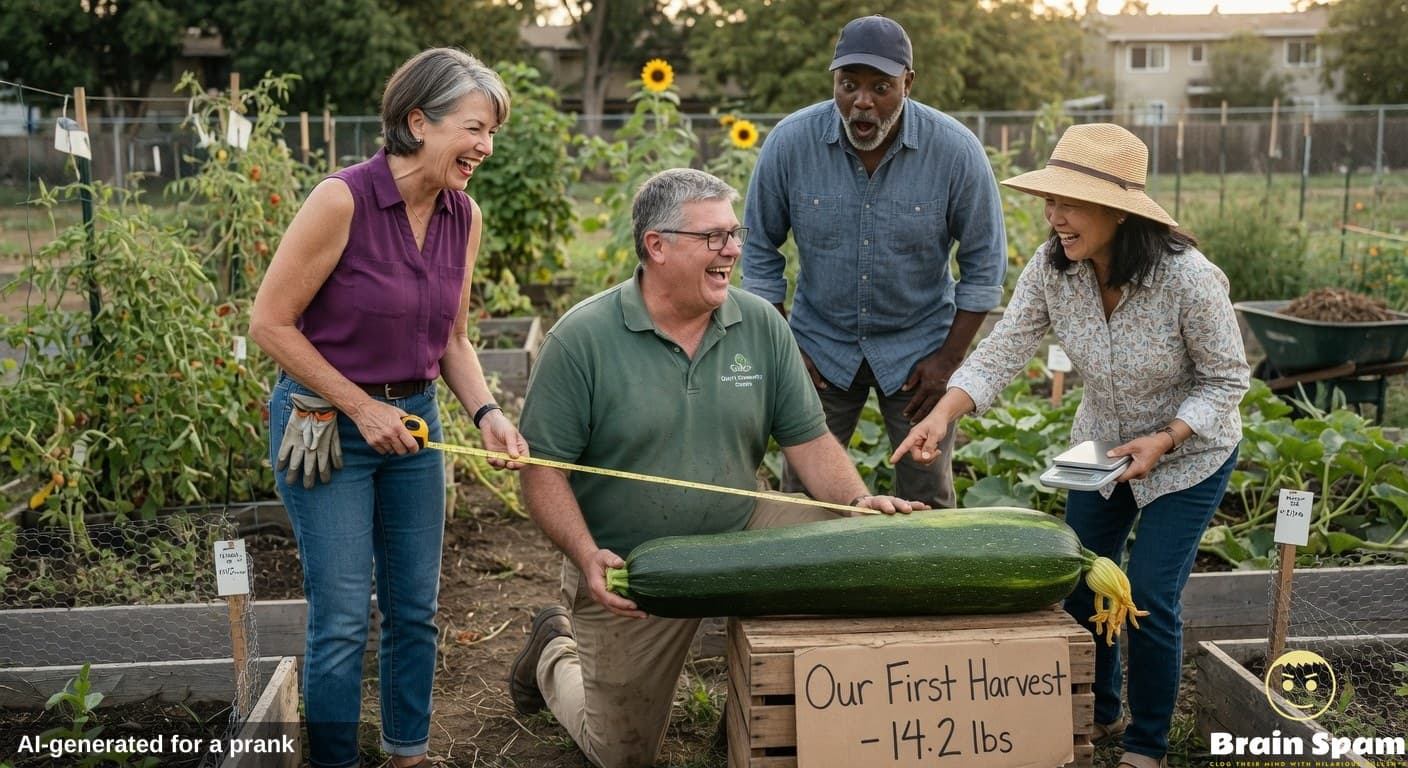
Dennis Quayle Jr And His Enormous Zucchini Bring Joy To Everyone Around
Lifestyle
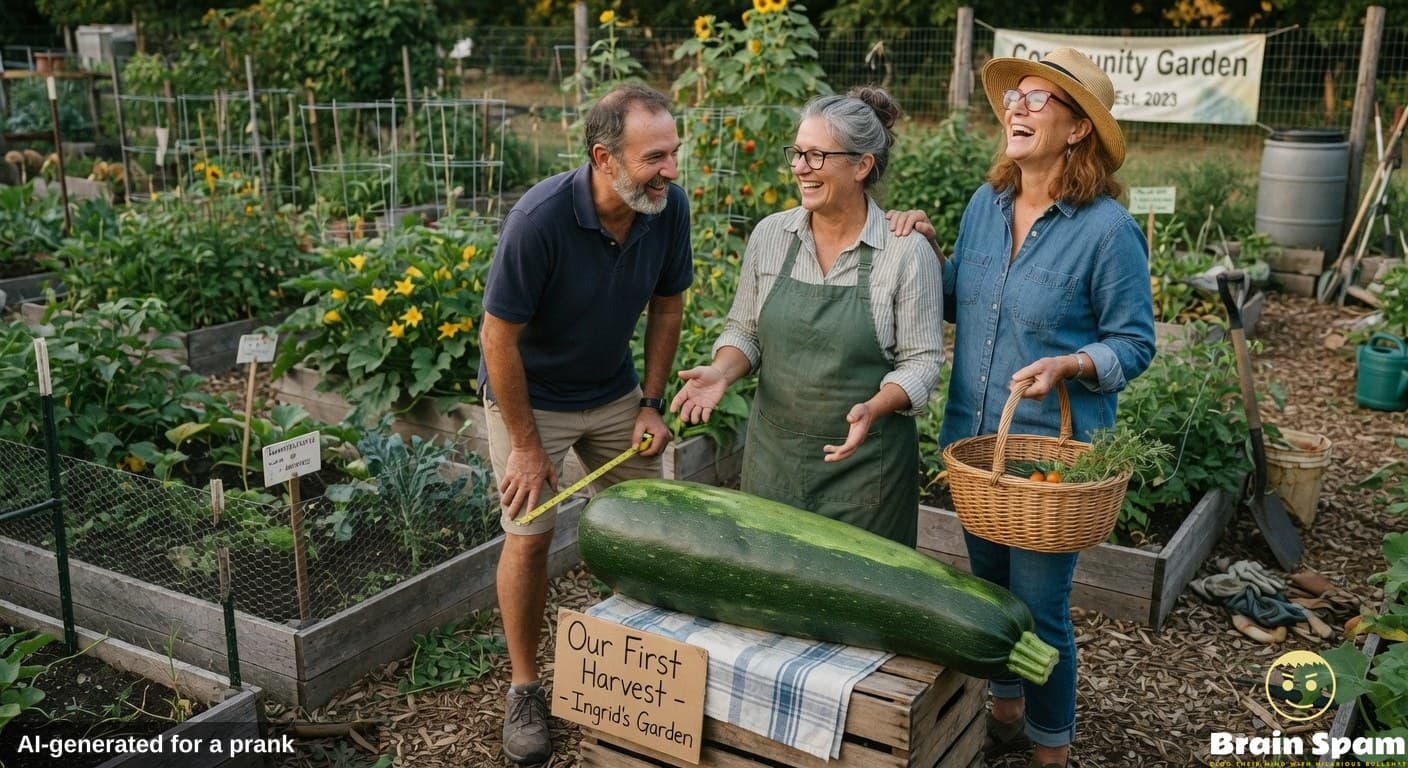
SHOCKING EXCLUSIVE: INGRID SALTZMAN'S COMMUNITY GARDEN YIELDS ONE ENORMOUS ZUCCHINI AND SENDS THE WHOLE TOWN REELING
Lifestyle
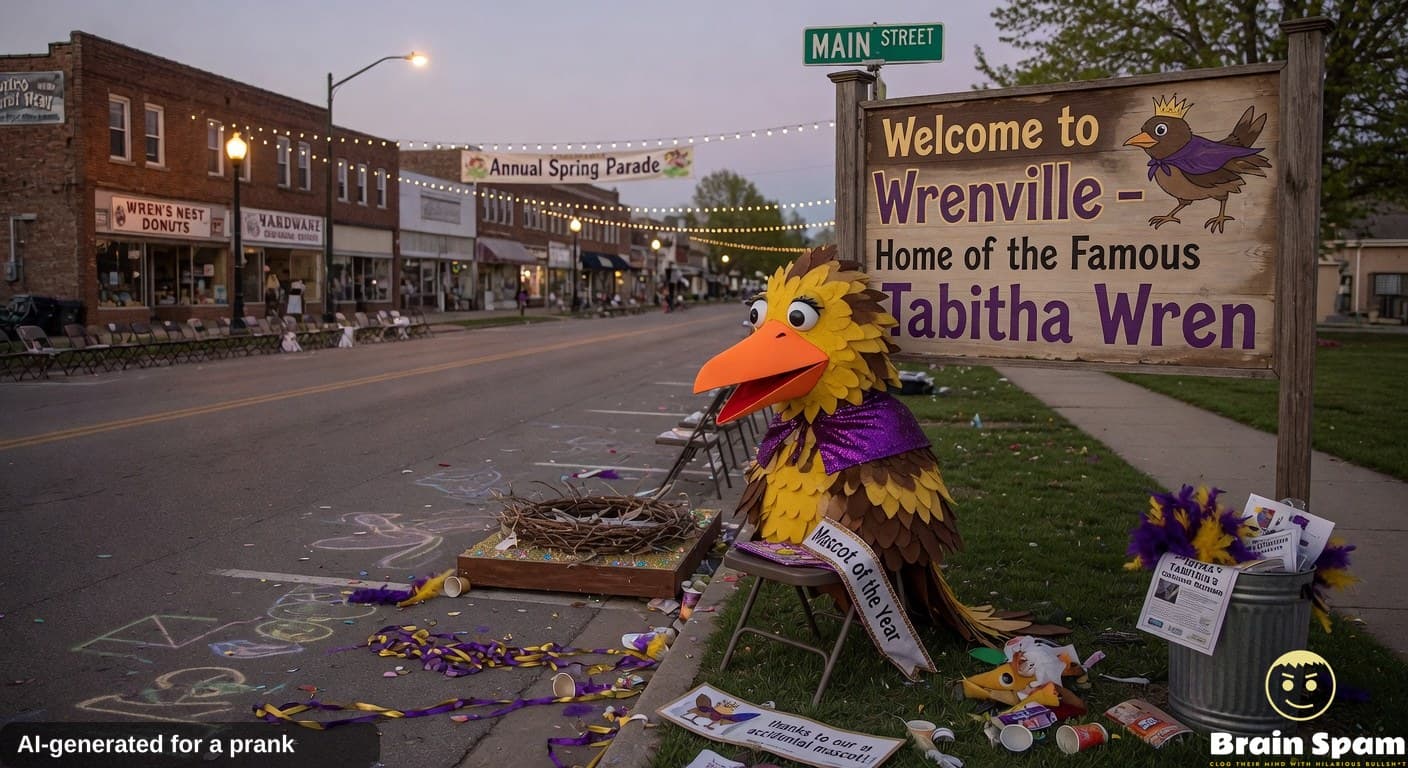
Tabitha Wren becomes town mascot after wearing costume to local parade
Lifestyle
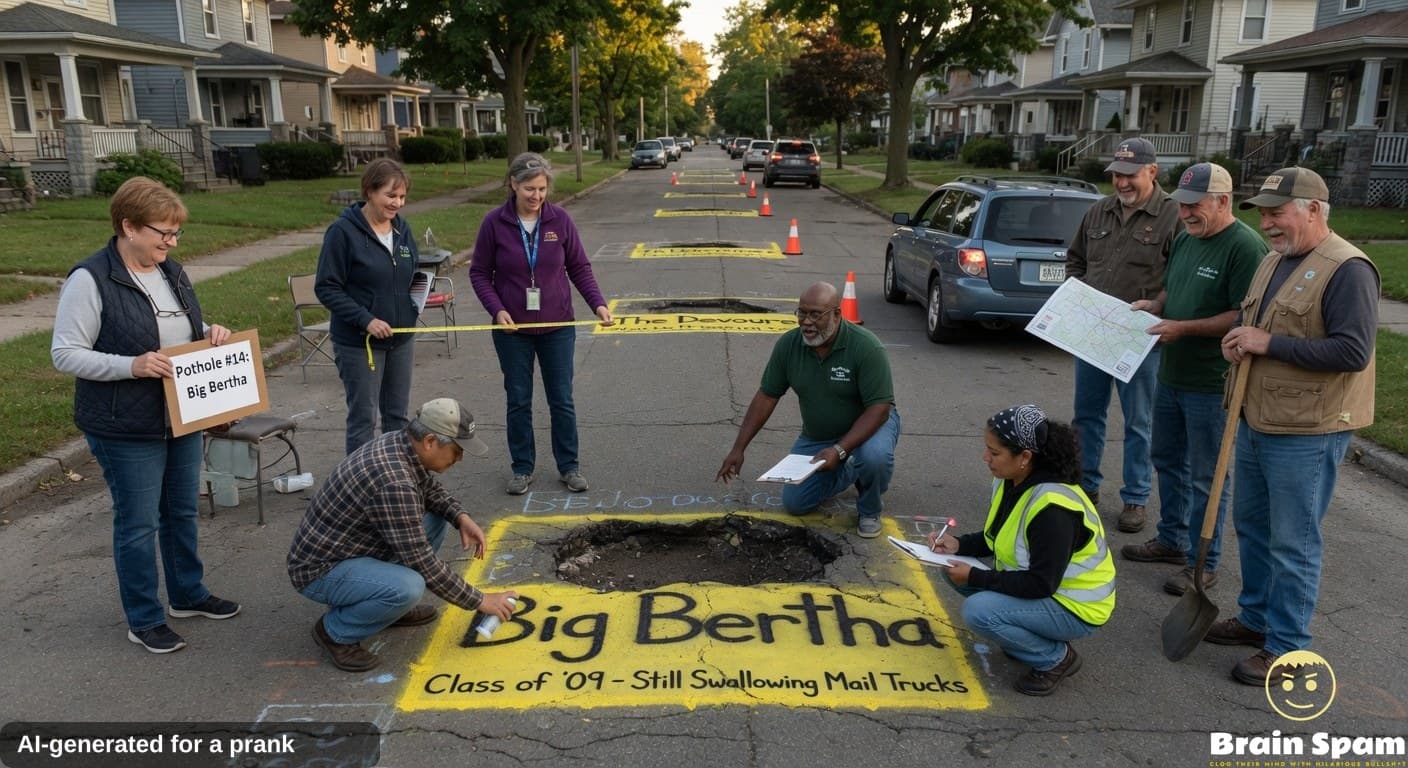
Reggie plumb organizes neighborhood effort to name maple street potholes
Lifestyle