Sammy Liddell Returns Library Book Four Decades Late With Heartfelt Apology Note
January 4, 2026
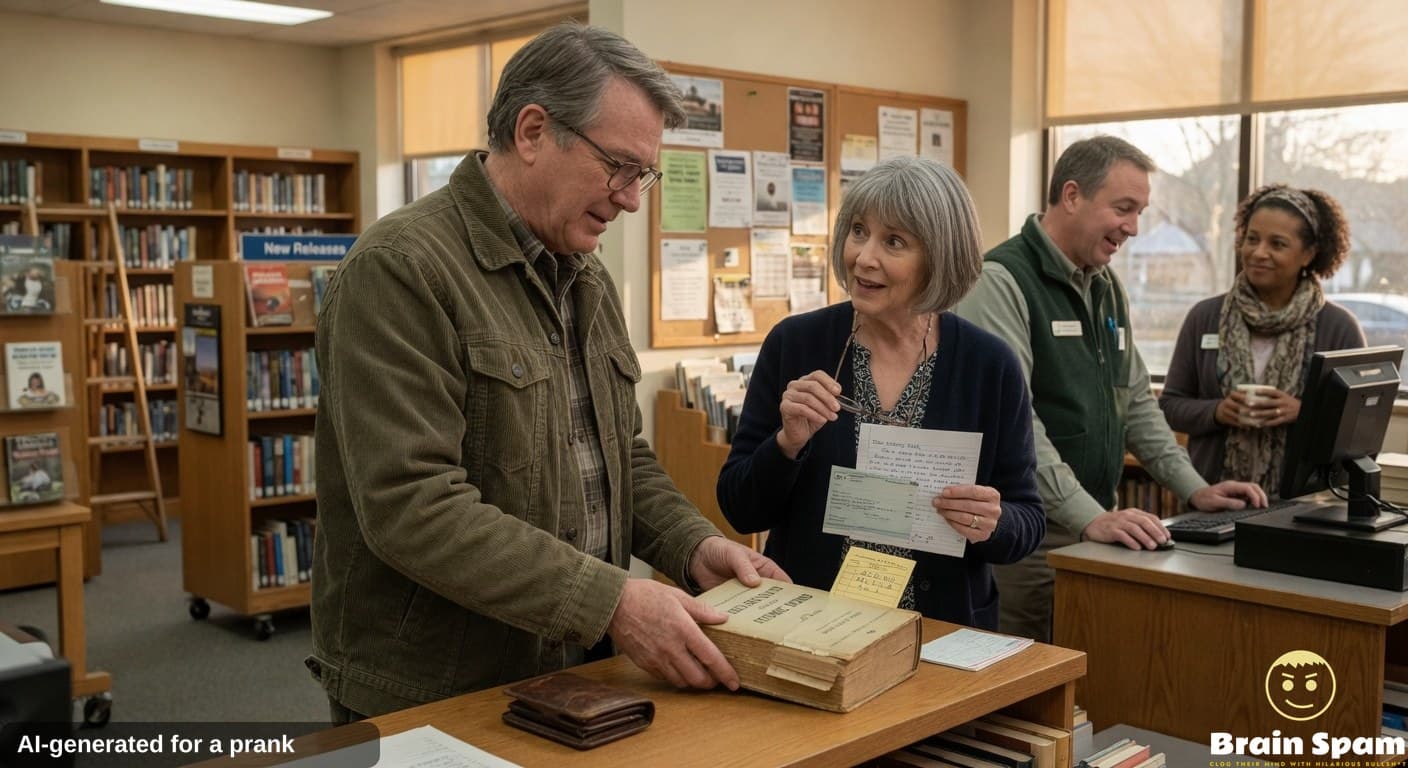
On a typical afternoon at the start of 2026 Sammy Liddell entered the town library carrying a faded hardcover volume that had been checked out in the previous century and set it down on the return desk next to a folded sheet of paper containing an apology written in careful handwriting. The volume itself showed only minor wear from decades of storage in a single home rather than the heavy use it might have seen on public shelves and library staff began the standard check in process while reviewing the attached note for any additional details about its history. Several patrons waiting nearby noticed the unusual transaction and lingered to observe how the staff would handle such an extended absence from the collection.
The Overdue Return
Library records indicated the book had originally been due sometime in the early nineteen eighties and its reappearance prompted an immediate review of archival files that revealed minor adjustments to borrowing policies over the intervening years. The apology note explained the circumstances of the extended loan period without providing specific reasons beyond a general expression of regret and staff members spent additional time cross referencing the item against current catalog entries to ensure proper reinstatement. Witnesses described the atmosphere in the building as one of quiet curiosity as additional personnel were called over to assist with the paperwork and several regular visitors paused their own activities to watch the proceedings unfold at the main desk.
Community Reactions
Local residents who frequent the library on a regular basis shared accounts of how the incident disrupted normal operations for much of the afternoon as staff worked through the backlog of record updates required to close out the old transaction. The return also led to discussions among patrons about personal experiences with forgotten items from years past though none matched the scale of this particular case in terms of elapsed time. Circulation figures for the day remained steady overall but employees noted a slight uptick in conversations at the information desk regarding overdue policies and the general handling of long term loans.
The note itself became a point of interest after staff placed it with the returned volume for preservation and several individuals commented on the neat penmanship that stood out against the printed forms used for modern checkouts. Additional processing steps included updating digital records to reflect the book as once again available which required coordination between multiple departments to avoid conflicts with newer acquisitions listed under similar titles. Patrons observed that the entire process took longer than usual for a single item but proceeded without any major interruptions to other services offered at the facility.
Final Processing Steps
By the end of the day the volume had been reshelved in its original section after a thorough inspection confirmed its condition remained suitable for circulation once again and the apology note was filed separately as part of standard documentation procedures. This event prompted a review of other potential long overdue materials still listed in the system though no immediate further actions were announced beyond routine reminders sent to current borrowers. The library continued its regular schedule the following morning with no lasting changes to operations despite the unusual circumstances surrounding the forty year gap.
Related Searches
🎉Gotcha!
This satirical story was created by a BrainSpam user using the BrainSpam platform — a tool for generating fictional and humorous stories for entertainment.
Create your own at BrainSpam.com
Disclaimer: This article was created by a user of BrainSpam and is intended solely for satire, parody, and entertainment purposes.
BrainSpam is a platform that allows users to create fictional, humorous, or exaggerated stories about real or imaginary people and events.
The content above is not factual reporting and should not be interpreted as statements of fact. It reflects the creative expression of the individual user who created it, not the views of BrainSpam or its operators.
Real persons may be referenced as part of parody or commentary. Any resemblance to actual events or individuals is used in a satirical or fictional context.
BrainSpam does not verify or endorse user-generated content published on this platform.
More from DailyPlanet.net

Lifestyle
Dwight fembley community garden produces exactly one zucchini
Lifestyle
Roscoe Tibbs Sparks Neighborhood Delight With Clever Kite Rescue

Lifestyle
Dennis Quayle Jr And His Enormous Zucchini Bring Joy To Everyone Around

Lifestyle
SHOCKING EXCLUSIVE: INGRID SALTZMAN'S COMMUNITY GARDEN YIELDS ONE ENORMOUS ZUCCHINI AND SENDS THE WHOLE TOWN REELING
Lifestyle
Tabitha Wren becomes town mascot after wearing costume to local parade
Lifestyle